Inna Lillahi Wa Inna Ilayhi Raji’un – Meaning, Arabic, Translation, When to Say & Benefits
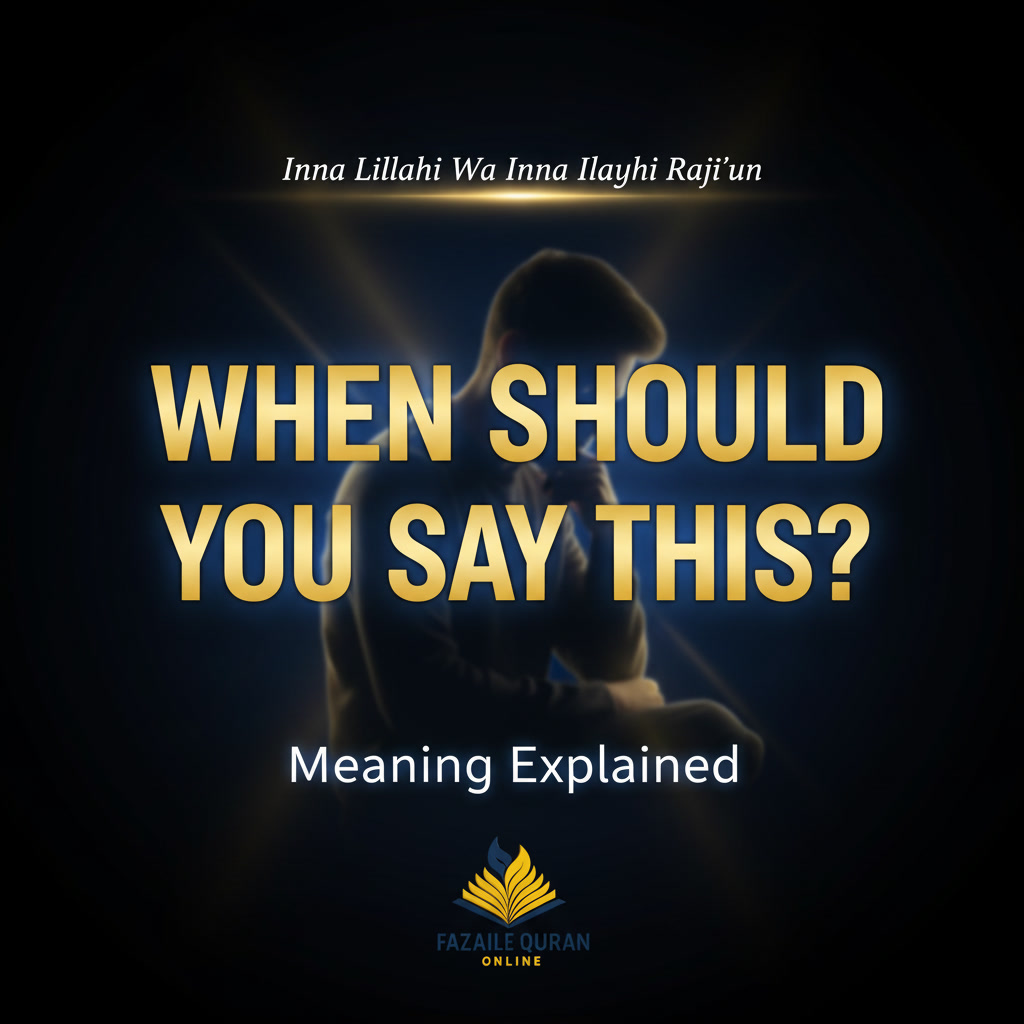
Inna Lillahi Wa Inna Ilayhi Raji’un – Meaning, Arabic, Translation, When to Say & Benefits Inna Lillahi Wa Inna Ilayhi Raji’un Meaning In difficult moments of life, Islam teaches us powerful words that bring peace, patience, and connection with Allah. One of the most important phrases Muslims recite during hardship is: Inna Lillahi Wa Inna Ilayhi Raji’un This short yet profound statement carries deep meaning about life, death, and our ultimate return to Allah. In this guide, you’ll learn the Arabic text, translation, meaning, when to say it, and its benefits, along with authentic references. Arabic Text إِنَّا لِلَّٰهِ وَإِنَّا إِلَيْهِ رَاجِعُونَ Transliteration Inna lillahi wa inna ilayhi raji’un English Translation Indeed, we belong to Allah, and indeed to Him we will return. Meaning Explained This phrase reminds us of two powerful truths: We belong to Allah. Our life, wealth, and everything we have is a trust from Him We will return to Him. Every soul will go back to Allah after death It teaches: Patience in hardship Acceptance of Allah’s decree (Qadr) Detachment from worldly losses Quranic Reference (Authentic) This phrase comes directly from the Quran: Who, when disaster strikes them, say: ‘Indeed we belong to Allah, and indeed to Him we will return.’(Surah Al-Baqarah 2:156) Allah praises those who say this during hardship and promises them: Mercy Guidance Blessings When to Say Inna Lillahi Wa Inna Ilayhi Raji’un Many people think this is only said when someone dies – but that’s incomplete. You should say it when: Hearing about someone’s death Losing something valuable Facing illness or hardship Experiencing any kind of loss During emotional pain or stress It’s a general response to any calamity, big or small. Hadith Reference (Authentic) The Prophet ﷺ said: Whoever says this at the time of calamity and makes the dua:Allahumma’jurni fi musibati wa akhlif li khayran منها(O Allah, reward me for my affliction and replace it with something better) Allah will replace it with something better. (Sahih Muslim) Benefits of Saying This Phrase 1. Brings Inner Peace It reminds you that everything is under Allah’s control. 2. Builds Patience (Sabr) Helps you stay strong during difficult times. 3. Earns Reward from Allah Allah وعد (promises) reward for those who say it with sincerity. 4. Strengthens Faith (Iman) You acknowledge Allah’s ownership and wisdom. Common Mistake Only saying it at deathCorrect: Say it during any hardship or loss How This Phrase Changes Your Mindset Instead of reacting with panic or frustration, this phrase teaches: Acceptance Trust in Allah Emotional control Spiritual strength Learn More Islamic Duas & Meanings Understanding phrases like this is essential for every Muslim, especially children and beginners. If you want to: Learn Quran with proper Tajweed Understand Islamic phrases deeply Help your kids grow with Islamic knowledge Join Fazaile Quran Online Academy At Fazaile Quran Online, we provide: One-on-one Quran classesTajweed & pronunciation trainingIslamic duas & daily supplicationsCourses for kids & adultsFlexible timings worldwide Contact: +92 347 5205452Email: fazailequran@gmail.comWebsite: www.fazailequranonline.com Start your journey today and connect with the Quran from home. Conclusion The phrase Inna Lillahi Wa Inna Ilayhi Raji’un is more than just words-it is a complete mindset of faith, patience, and submission to Allah. By understanding and practicing it in daily life, a Muslim can face hardships with strength and hope. Frequently Asked Questions (FAQs) 1. What does Inna Lillahi Wa Inna Ilayhi Raji’un mean? Inna Lillahi Wa Inna Ilayhi Raji’un means “Indeed, we belong to Allah, and indeed to Him we will return.” It reminds Muslims that everything we have comes from Allah and we will ultimately return to Him. 2. When should you say Inna Lillahi Wa Inna Ilayhi Raji’un? You should say this phrase during any calamity, loss, or hardship, including: When someone dies When you lose something valuable During illness or emotional pain It is not limited to death—it applies to all types of difficulties. 3. Is Inna Lillahi Wa Inna Ilayhi Raji’un only for death? No, this phrase is not only for death.It is a general Islamic response to any loss or hardship, as taught in the Quran (Surah Al-Baqarah 2:156) 4. What is the Arabic text of Inna Lillahi Wa Inna Ilayhi Raji’un? The Arabic text is: إِنَّا لِلَّٰهِ وَإِنَّا إِلَيْهِ رَاجِعُونَ 5. What is the reward for saying Inna Lillahi Wa Inna Ilayhi Raji’un? According to Islamic teachings, those who say this phrase with patience during hardship receive: Allah’s mercy Blessings Guidance Allah praises such people in the Quran. 6. What dua should be read after Inna Lillahi Wa Inna Ilayhi Raji’un? After saying this phrase, you can recite: “Allahumma’jurni fi musibati wa akhlif li khayran منها” (O Allah, reward me for my hardship and replace it with something better) This is based on an authentic Hadith. 7. Why is Inna Lillahi Wa Inna Ilayhi Raji’un important in Islam? This phrase is important because it: Strengthens faith (Iman) Teaches patience (Sabr) Reminds us of life’s temporary nature Helps Muslims cope with loss in a healthy spiritual way 8. Can you say Inna Lillahi for small problems? Yes, you can say it for small and big problems alike. Islam encourages remembering Allah in every situation, not just major events. 9. How does this phrase help in difficult times? It helps by: Bringing emotional peace Reducing stress and panic Reminding you that everything is part of Allah’s plan This creates a strong and calm mindset. 10. How can I learn more Islamic duas and meanings? You can learn Islamic duas, Quran recitation, and meanings through structured guidance. Inna Lillahi Wa Inna Ilayhi Raji’un means “Indeed, we belong to Allah, and indeed to Him we will return.” It reminds Muslims that everything we have comes from Allah and we will ultimately return to Him. You should say this phrase during any calamity, loss, or hardship, including: When someone dies When you lose something valuable During illness or emotional pain It is not limited to death—it applies to all types of difficulties. No, this phrase is not only for death.It is a